
Clear Aligners Plantation
Using Invisible Braces to Achieve a More Confident Appearance
Clear aligners in Plantation are becoming more popular among self-conscious teenagers and adults. While traditional metal braces once dominated the industry, this newer, more patient-friendly approach is making it possible for individuals to embrace greater confidence during and after treatment. Do you want a straighter set of teeth without using shiny, bulky metal? If so, contact our office to schedule a consultation with Dr. Lamas today.
Why Choose Plantation Dental Studio and Implant Center for Clear Aligners?
- In-House Orthodontic Treatment – No Referrals Necessary
- Dentist Who Prioritizes Patients’ Needs, Goals & Comfort
- Flexible Dental Financing is Available Through CareCredit
How Do Clear Aligners Work?
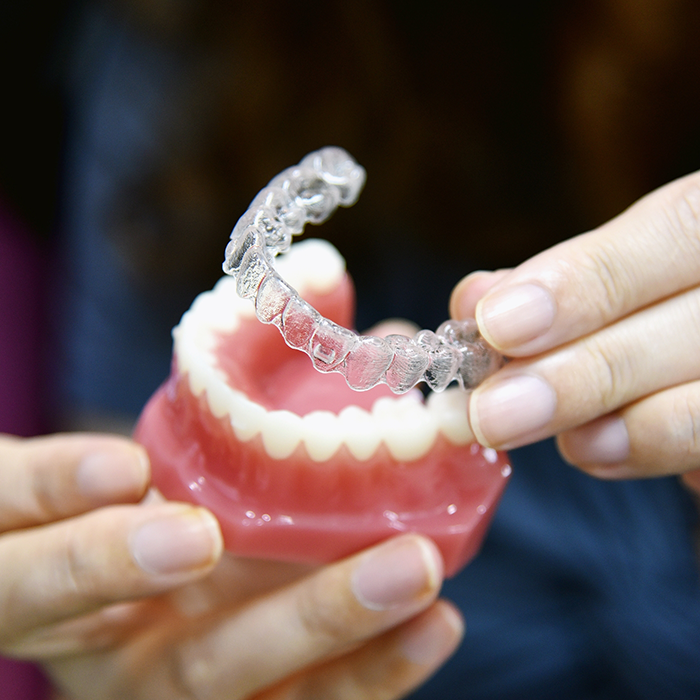
Clear aligners work differently than traditional braces. The latter uses metal brackets that are affixed to the surfaces of your teeth, while a metal archwire is threaded through the brackets to create a system that forces your teeth to shift over time. Clear aligners, however, are transparent, snug-fitting trays that are fabricated based on how Dr. Lamas predicts your teeth will need to move to achieve desired results.
Each set is to be worn for 20-22 hours a day for about two weeks. You will then be required to wear a new set of aligners (the next in the series) so that your teeth will continue to shift accordingly.
Throughout treatment, you will be required to meet with Dr. Lamas for regular follow-ups; however, these visits will only take 15-30 minutes, as he will only need to evaluate the progression of your tooth movement.
Depending on the severity of your original dental problem (i.e., overcrowding, gaps, bite misalignment), you may see results in as little as six months, or you may need to wear your aligners for more than a year.
Who Can Clear Aligners Help?
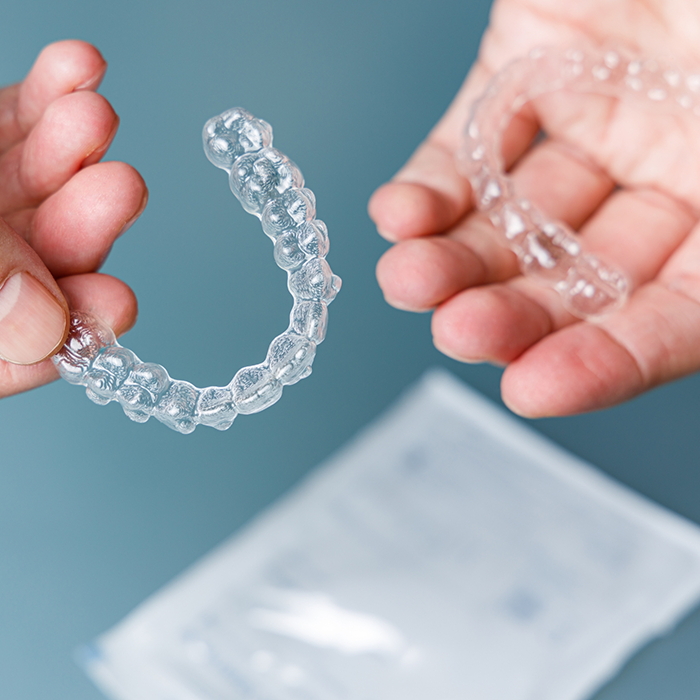
There are several factors that Dr. Lamas needs to consider when determining whether you are a good candidate for clear aligners, including whether your teeth and gums are healthy. That’s why the initial consultation is so important! If you’d like to learn more about the common orthodontic problems that can be corrected with metal-free braces in the meantime, you can read on, too.
Crowded Teeth
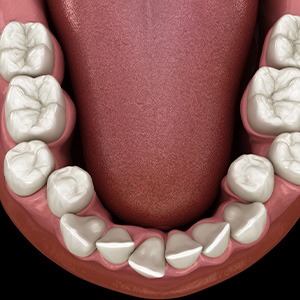
If there isn’t enough room in your mouth, your teeth will crowd together, overlapping in the process. In addition to taking a toll on your self-esteem, crooked teeth can make it difficult to adequately remove food particles, plaque, and other debris, increasing your risk of tooth decay and gum disease. There is good news, though: clear aligners can often address mild to moderate overcrowding by gently guiding your teeth into their ideal positions.
Gaps Between Teeth
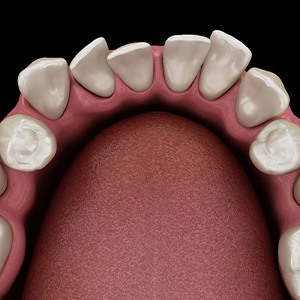
Unfortunately, gaps between your teeth can also make maintaining good oral health challenging. The reason is that debris and bacteria can become trapped in these spaces, making it easier for gum disease, decay, and infection to form. That’s why we encourage our patients to explore their orthodontic treatment options sooner rather than later. If we determine that you’re a good candidate for clear aligners, then closing the gaps won’t require any metal at all.
Overbite
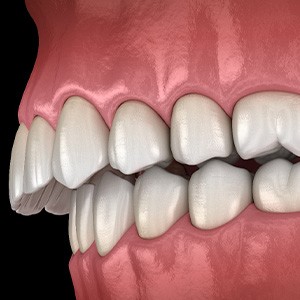
Several issues can arise if your upper teeth extend beyond your lower ones considerably, including chronic jaw pain and trouble enunciating clearly. While traditional braces were once the only treatment option, that’s no longer the case! So, don’t hesitate to schedule a consultation with us if you’re struggling with an overbite but would prefer to avoid metal braces. Since clear aligners can often correct mild to moderate cases, there’s a good chance that you’ll be a candidate!
Underbite
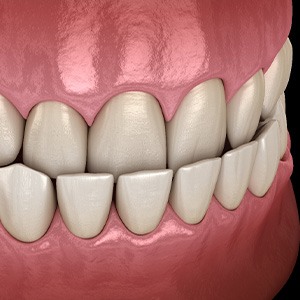
Are you curious if clear aligners can fix underbites? Fortunately, the answer is usually “yes” for patients who don’t have severe cases. So, if you are struggling with enamel erosion, tooth sensitivity, and other issues stemming from this orthodontic problem, don’t hesitate to schedule a consultation with us! The sooner you do, the sooner we can determine if you’re a good candidate.
Crossbite
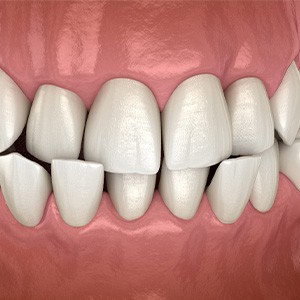
Even if only a few of your upper teeth sit behind your lower ones, several issues can arise, including premature wear and tear. If you are unsure whether the problems you are experiencing can be addressed with clear aligners, don’t assume the worst. Instead, schedule an appointment with our dedicated cosmetic dentist, Dr. Lamas, so he can review your dental history, needs, and goals to determine if you’re a good candidate.
Open Bite
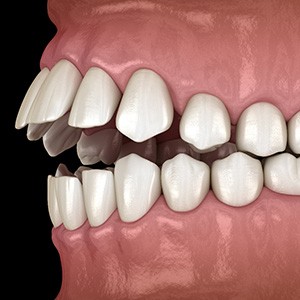
When you bite down, is there a space between your upper and lower teeth that prevents them from meeting evenly? If so, you may have an open bite. During your consultation, we can determine if that’s the case and, if it is, if clear aligners are an option. If they are, then Dr. Lamas can use a custom series to give you a functional and pain-free bite.
Clear Aligners Vs. Traditional Braces
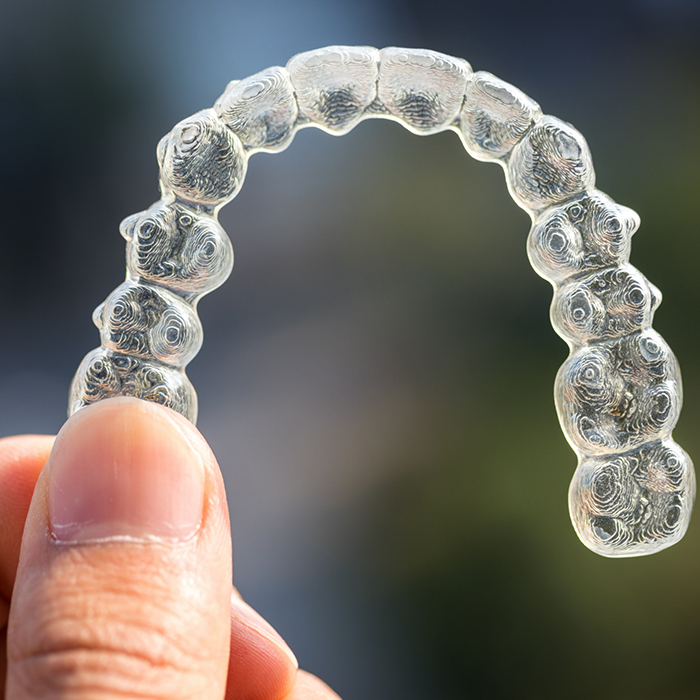
Although clear aligners and traditional braces aim to deliver the same results – a straighter smile – there are key differences between the two, including:
- Aesthetics: Traditional braces are commonly made out of shiny metal, which is highly noticeable. Clear aligners, however, appear almost transparent, so they’re difficult for others to see.
- Eating Meals: Traditional braces can be an annoyance when eating certain foods, as the debris can get stuck between wires and brackets. Also, there is a greater risk of damaging these appliances based on the type of food that is consumed. Clear aligners must be removed before eating, so you can worry less about stuck objects and instead enjoy a greater variety of food.
- Maintenance: Wearing metal braces often requires that you purchase interdental brushes and floss threaders or irrigators to keep your teeth and appliances clean. However, clear aligners can be easily removed and cleaned with a soft-bristled toothbrush, clear soap, and lukewarm water.
Clear Aligners FAQs
Can you get clear aligners after braces?
If you’ve experienced orthodontic relapse (the phenomenon when teeth drift out of alignment) in the years following your time with braces, you might be curious what your options are. For example, can you get clear aligners? Oftentimes, the answer is “yes.” So, don’t hesitate to schedule a consultation at our office. Once our cosmetic dentist has a chance to review your dental history and complete a comprehensive oral exam, he can determine if you’re a good candidate.
How long does clear aligner treatment take?
There are several factors that impact the length of your clear aligner treatment, including the severity of your misalignment. With that said, the average timeline is 12-18 months. This is a considerable improvement over traditional braces, which usually take 2-3 years.
What should I do if one of my clear aligners breaks?
If one of your clear aligners broke, call our Plantation dental office. The sooner you do, the sooner we can take a look at your treatment plan and determine if it’s safe for you to progress to the next set in the series. If doing so has the potential to jeopardize your progress, then we will ask you to revert to the previous pair while we have a replacement made.
Can you eat with your clear aligners on?
No, you cannot eat with your clear aligners on. There are a few reasons for this, including that doing so can cause the plastic to warp or break, rendering your trays virtually useless. So, make sure to get in the habit of taking them off, rinsing them with water, and placing them in their designated case before meals.
How do I clean my clear aligners?
Like many other patients, you may have chosen clear aligners in Plantation because of their discreet appearance. In order to keep them clean and clear, you need to incorporate a few healthy habits into your routine, starting with rinsing them with clean, cool water each time you take them off. Then, use a damp, soft-bristle toothbrush and clear, mild dishwashing soap to clean them before you put them back on.
Tip: If you need to wear your aligners a little longer than anticipated, soak them for 15 minutes or so each day in a dentist-approved cleaning solution.
Will I need to wear a retainer after my clear aligner treatment?
Yes. After all, roughly 50% of patients experience orthodontic relapse in the years following their orthodontic treatment. To prevent that from happening to you, we will provide you with a custom retainer. Even something as simple as wearing yours each night while you sleep can help preserve the results you worked so hard for.
