
Dental Implants Plantation
Giving Your Smile a New Beginning
Dr. Lamas wants to provide patients with a more convenient way to receive oral healthcare. This is why most dental services are available under one roof, so few if any referrals are required. If you need help replacing one or more missing teeth, and you are interested in a permanent solution like dental implants, you’ll find exactly what you’re looking for here at our Plantation dental office. Simply call us to schedule a consultation with Dr. Lamas to find out if you are a good candidate for treatment.
Why Choose Plantation Dental Studio and Implant Center for Dental Implants?
- CT/Cone Beam Scanner Delivers Improved Visuals for Thorough Analysis & Planning
- We Place & Restore Dental Implants In-House for Added Convenience
- Dentist is In-Network with Many Insurance Plans
What Are Dental Implants?
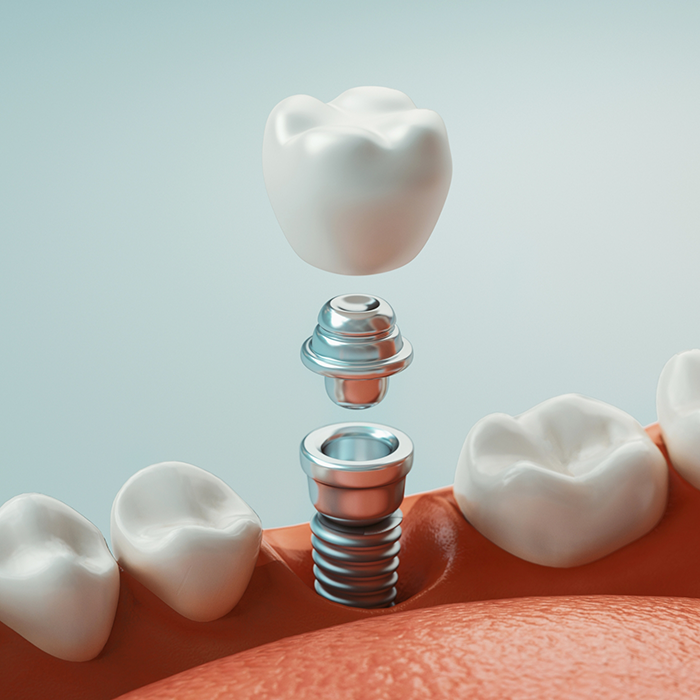
Crafted from titanium because of its ability to fuse with the jawbone, dental implants serve as the foundation for what will become a complete smile. In conjunction with metal abutments (connectors) and a custom crown, bridge, or denture, these implants offer support, durability, and longevity so that you can spend your life enjoying the benefits only these prosthetics can offer.
The 4-Step Dental Implant Process
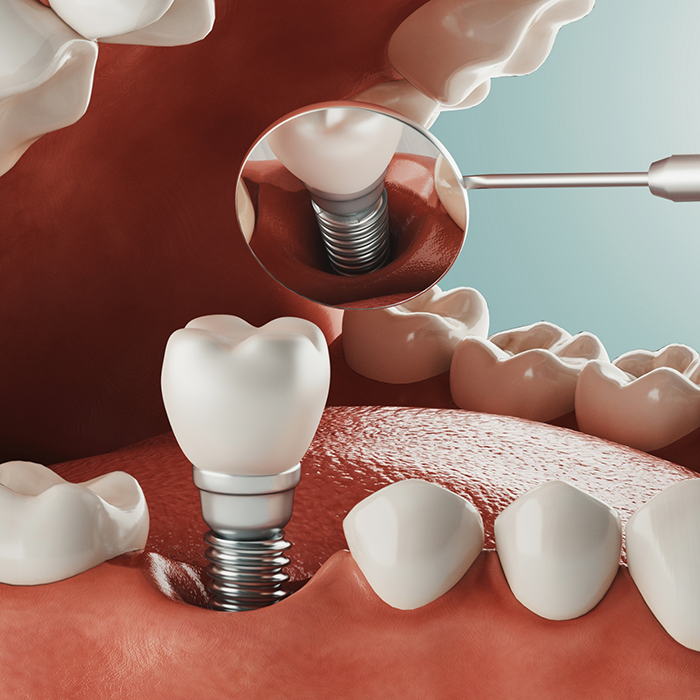
Dental implants are not only one of the most successful treatments for missing teeth in dentistry—they’re also the most unique when it comes to placement. Every fixture involves a multi-step process that ensures your new restoration is stable, functional, and blends in with the rest of your smile. At Plantation Dental Studio and Implant Center, our team believes that education is the fastest path to success for our patients. Read more below to learn the dental implant process from start to finish.
Initial Dental Implant Consultation
The first step in the dental implant process is the most important. It’s the stage where Dr. Lamas gathers all the information he’ll need to ensure your implant procedure goes smoothly.
During your initial visit, our team will examine your mouth, take X-rays and 3D scans of your teeth and jaw, and look for potential issues or complications.
Once the exam is complete, Dr. Lamas will create a treatment plan that details your next steps and open the floor for any final questions. Take advantage of this time to ask about anything you can think of, including timelines and costs.
Dental Implant Surgery
One of the advantages of working with our Plantation dental office is convenience. Dr. Lamas has extensive experience in implant placement and performs all surgeries himself. This means you won’t need to seek out a specialist or incur any additional costs associated with travel or specialty care.
On the day of your surgery, your mouth will be numbed using a local anesthetic to ensure you feel no pain. If desired, we also offer nitrous oxide sedation to keep you relaxed and comfortable.
Next, Dr. Lamas will make an incision in your gums to reach the bone underneath, then use special instruments to make a pilot hole. The implant fixture—a screw-like piece of titanium—is then secured within. Once in place, the implant site is closed up and capped with a dome-like healing abutment.
Dental Implant Osseointegration & Abutment Placement

The hardest part of the entire process isn’t the surgery, it’s the waiting. Over the next three to six months, your implant will undergo a process called osseointegration where it fuses with your jawbone. Once complete, the fixture will be a permanent, stable part of your smile.
After healing, another minor surgery will need to be completed to remove the healing cap and replace it with a connector piece. As you heal for the next few weeks, your new restoration will be crafted by skilled technicians at a partnered dental lab.
Delivery of Dental Implant Restorations

Finally, after all the placements and healing have been completed, you’ll receive your permanent restoration. Whether it’s a crown, bridge, or denture, the prosthetic will be attached to your implant posts for a permanent solution.
We’ll then do a quality check to ensure your bite is comfortable and there are no small complications before sending you off to enjoy your new smile. Even after the process is complete, our team will still be available if you feel any lingering discomfort or want to ask questions about things like diet, hygiene, or even restoration replacement in case of damage.
Benefits of Dental Implants
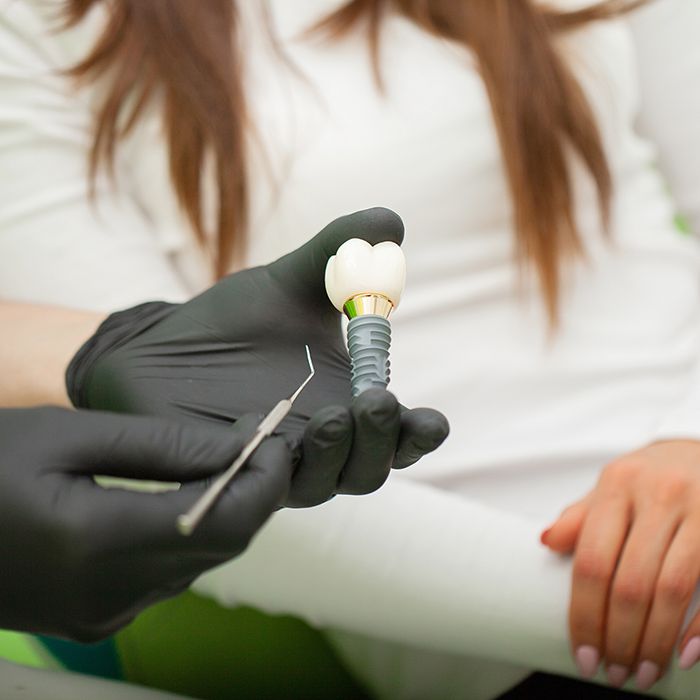
When deciding whether or not dental implants are ideal for you, it can be helpful to learn about the various benefits that they offer. In this next section, you’ll find just that! Keep reading to learn a few of the reasons they are widely loved by patients and dentists alike.
Day-to-Day Benefits

Here are the benefits of dental implants in Plantation that you’ll likely notice first:
- Lifelike Appearance: The materials used to create dental implants are crafted to look completely natural. As a result, even those closest to you are unlikely to be able to tell a difference between your real and artificial teeth. This will help boost your confidence as you go about your day-to-day life!
- Restored Bite Strength: Have you been stuck eating plain yogurt, applesauce, and other extremely soft foods in the years following tooth loss? If so, you’ll be happy to hear that dental implants can restore the strength of your bite, allowing you to eat a more satisfying and varied diet again.
- Clearer Communication: Oftentimes, patients are surprised at the toll tooth loss has on their speaking patterns. Fortunately, dental implants can replace any number of missing teeth. As a result, they can help restore your confidence, your bite strength, and your normal speaking patterns.
Health Benefits

Dental implants can also have a positive impact on your oral and overall health. Here’s why:
- They Are Easy to Maintain: Instead of buying specialized products to clean your new smile, you can use many of the same items you already have at home, such as a soft-bristled toothbrush. The only item that you shouldn’t use is regular toothpaste, as it can be too abrasive on the restorative material.
- They Allow You to Eat More Nutrient-Dense Foods: By filling in the gaps of your smile with dental implants, you’ll be able to eat more nutritious food as well as minimize your chances of developing various systemic health issues that are commonly linked to tooth loss (i.e., osteoporosis, diabetes, cardiovascular disease, etc.).
- They Help Prevent Dental Drift: Unfortunately, even just one missing tooth can cause the surrounding teeth to shift out of place. The good news is that dental implants can fill the gaps in your smile, helping to preserve the alignment of your bite in the process.
Long-Term Benefits

Dental implants are also considered the gold standard in tooth replacement because of the following long-term benefits:
- Reduced Risk of Bone Loss: While dental bridges rest against the surrounding teeth and dentures rest against the gums, dental implants are anchored to the jawbone. The continued stimulation to the jawbone lowers the risk of bone loss over time, helping to preserve your youthful face shape.
- Long Lifespan: With proper care, dental implants can last for 30+ years. The key is taking good care of your smile at home, breaking harmful habits, like smoking, and scheduling an appointment at our office every six months for a checkup and cleaning.
- High Success Rate: Dental implants have an impressive success rate of over 95% for non-smoking patients. From your first appointment, we will guide you through what you can do to minimize your risk of failure, like eating healthy, well-balanced meals and committing to a solid at-home oral hygiene regimen.
Who Dental Implants Can Help

If you are ready to face tooth loss head-on, then you should consider dental implants. After all, they can replace one, a few, or an entire arch in a way that looks and feels extremely natural. During your consultation with our team at Plantation Dental Studio and Implant Center, we will complete a comprehensive oral exam to determine if you’re a good candidate. In the meantime, you can read on to learn a little more on the topic, including the different types of dental implants that are available.
Who Is a Good Candidate for Dental Implants?

There are a few qualities that we look for in a good candidate for dental implants in Plantation, including:
- A willingness to quit smoking and other harmful habits
- A jawbone that’s dense enough to support dental implants
- Gums that are healthy and free from infection
- A commitment to healthy habits, like brushing twice a day
During your initial consultation, we will review your dental history, complete a comprehensive oral exam, and learn about your day-to-day routine to determine if this state-of-the-art solution is ideal for you. If the answer is “yes,” then we will begin working on your custom treatment plan, starting with determining which type of dental implant you need.
Missing One Tooth
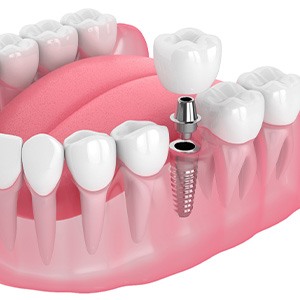
If you are missing just one tooth, we can fill the gap in your smile while preserving your remaining natural teeth with a single dental implant. The first step is securing the implant into your jawbone and allowing the two to fuse together (a process known as “osseointegration”). Then, we will secure a custom dental crown on top to restore the visible structure of your tooth as well.
Missing Multiple Teeth
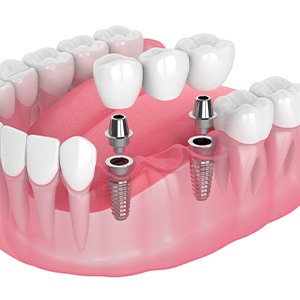
If you are missing up to four teeth consecutively, then we may recommend an implant bridge. In this case, we will place a dental implant on each side of the gap. Then, we will create a custom restoration to “bridge” the open space. Since the shape, size, and shade of yours will be tailored to your unique face shape, dental needs, and aesthetic goals, you can have peace of mind knowing that it will look and feel extremely natural.
Missing All Teeth
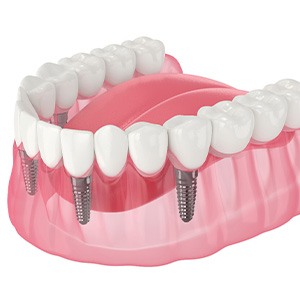
Before, traditional dentures were the go-to solution for patients who were missing all of their natural teeth. Now, there is another option: implant dentures! If we decide together that this is the best option for you, then we will strategically place several dental implants throughout your jawbone. Then, we will secure a custom denture on top. Once it’s in place, the strength of your bite and appearance of your smile will be restored!
Understanding the Cost of Dental Implants

Dental implants are the best tooth replacement option out here. They replace the rotos of the missing teeth, allowing for a wide range of benefits that you can’t achieve with dentures or dental bridges. To achieve this, getting dental implants requires a multi-step process that takes place over the course of several months. Everyone’s treatment is a little bit different, so the cost can vary. During your consultation, we will go over the estimated cost of your treatment. Until then, here are some things to take into consideration.
Preliminary Treatments & Dental Implant Surgery
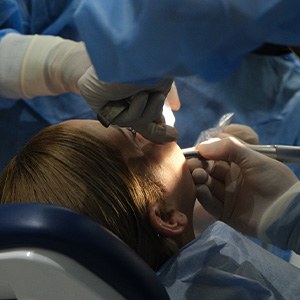
In some cases, patients need to undergo preliminary procedures before they can qualify for dental implants. This could include services like gum disease treatment, tooth extractions, bone grafting and sinus lifting. You need to consider the cost of these procedures ahead of time if they apply to you. The good news is that the cost of preliminary procedures is often partially covered by dental insurance providers.
The Parts of Your Dental Implant
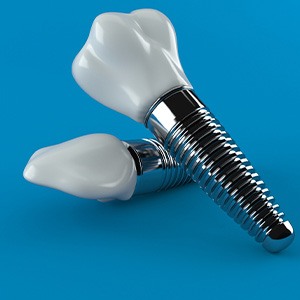
There are many different factors that contribute to the cost of dental implants. Here are some of the most notable ones.
- Number of Dental Implants: The number of teeth that you are missing and where they are located determine the number of dental implants that you need. The more implants, the higher the cost.
- Restorations: Dental crowns, bridges, and dentures are all at different price points. Generally speaking, the larger the restoration, the higher the cost.
- Materials: In most cases, dental implants are made from surgical titanium. However, they can also be made from zirconia in some situations.
- Brand: Just like other procedures, dental implants come from various manufacturers. This influences the cost.
How Dental Implants Can Save You Money

It can be tempting to save money by choosing a more affordable tooth replacement option, like dentures. Dentures are great for some people, but they don’t offer the same lifelong benefits that dental implants do. Dental implants can help you save money in the long run. This is because you will no longer need frequent repairs and replacements. You don’t’ need to stock up on adhesives or soaking solutions either. Dental implants help to prevent future dental issues, so you can avoid some costly restorative treatments down the road.
Does My Dental Insurance Cover Dental Implants?
Most of the time, the dental implants themselves are not covered by dental insurance. However, parts of the preliminary procedures and final restoration might be. At Plantation Dental Studio and Implant Center, we are happy to be in-network with most PPO dental insurance plans. Our team can help by renewing your benefits and find ways to help you get the most out of them!
Making Dental Implants Affordable

If you don’t have dental insurance, this doesn’t mean that you are completely out of luck. We are happy to accept payments through CareCredit – a third-party financing company that can split the cost of your treatment into manageable monthly installments with little to no interest. If you need help applying or have any questions, don’t hesitate to reach out!
Dental Implants Post-Op Instructions
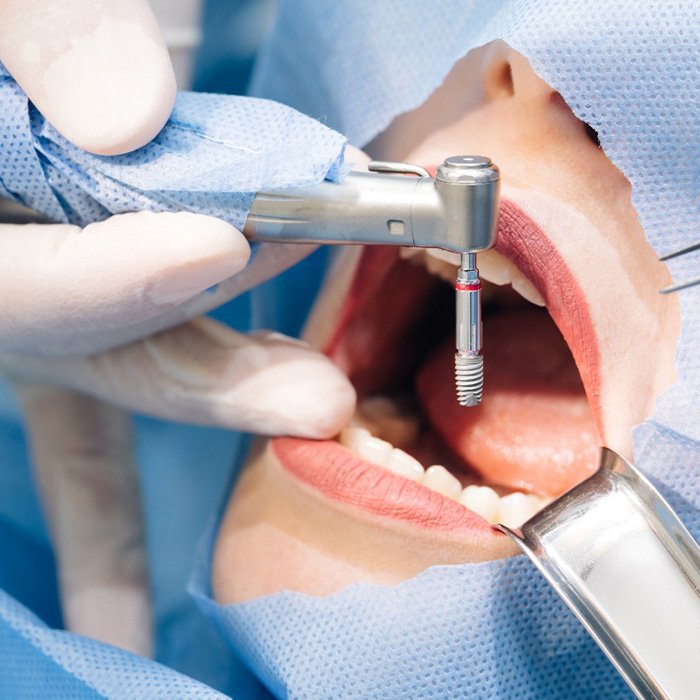
Treatment briefly pauses after your implants are placed, allowing your mouth to heal from surgery. Still, you mustn’t spend this time idly; you’ll need to make sure your recovery goes smoothly. The good news is that we have dental implant post-op instructions in Plantation you can use. Through these established guidelines, your smile will be ready for the rest of treatment in no time. Just keep reading for the specific details about them, or call us to hear more over the phone.
What to Do Directly After Dental Implant Surgery
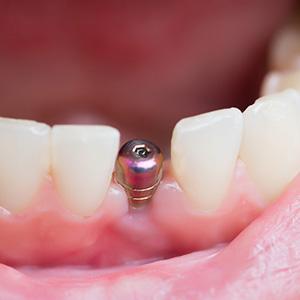
You should leave your treatment site’s blood clot alone after surgery, as touching it may delay your recovery. Instead, please stick to the following rules:
- For at least a few days, keep your fingers and tongue away from your implant.
- Don’t use any tobacco products (i.e., cigarettes, cigars, etc.) during the first 24 hours after surgery.
- Since suction can dislodge blood clots, avoid drinking straws while you recover.
Common Side Effects When Recovering from Dental Implant Placement

You’ll likely experience some harmless side effects following your surgery. Overall, the most common of such reactions include:
- Oral Aches – Your treatment site may ache a bit once your surgery’s anesthetic fades. If it does, please use store-bought (or doctor-prescribed) pain relievers as necessary.
- Intermittent Bleeding – While it’s normal for the implant site to bleed post-surgery, you should address this symptom by applying gauze and gentle pressure.
- Facial or Gum Swelling – In the first 72 hours after surgery, some patients experience mild facial and gum swelling. You can manage this symptom by applying a cold compress to the affected areas.
Though unpleasant, these side effects typically fade within a few days. You’d do well to tell us if they persist longer.
Your Diet After Dental Implant Surgery

Since tough meals could dislodge your blood clot, you should only eat soft foods for the first few days after surgery. Doing anything else would risk major delays to your recovery.
Soft foods you could eat during this period include:
- Yogurt
- Scrambled Eggs
- Smoothies
- Soft Cheese
- Mashed Potatoes
- Sweet Potatoes
- (Non-hot) Soup
- Pasta
- Pudding
- Ice Cream
You can resume a “normal” diet when you’re up to doing so. However, you should continue to limit your intake of crunchy and tough foods going forward. It’s also crucial that you not chew directly on your implant site.
Post-Op Health & Oral Hygiene

You should always clean your mouth every day. Given that fact, please adhere to the following rules while you recover:
- Be careful of the surgical site when brushing your teeth twice daily.
- At least twice or thrice daily, rinse your mouth with salt water. (You can substitute a prescription mouthwash for the salt water if necessary.)
- Avoid mouthwashes with a high level of alcohol (i.e., Scope, Listerine, etc.).
What to Do After Your New Teeth Are Attached
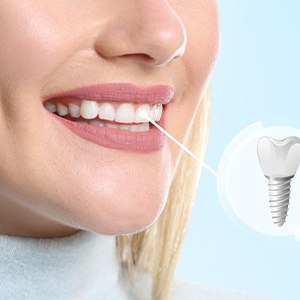
Once we’ve attached your dental crown, bridge, or dentures, you’ll be through the hardest part of your implant treatment. The only symptom you might have going forward is minor gum sensitivity. In other words, you won’t face any swelling, bleeding, or similar signs for the rest of your recovery. You can instead just enjoy your restored smile after the attachment is placed.
Dental Implant FAQs
What can cause dental implants to fail?
Since dental implants have a success rate of over 95%, failure is quite rare. When it does happen, it’s usually due to either peri-implantitis (a form of gum disease) or failed osseointegration (when the implant and jawbone don’t fuse properly). To prevent either from happening, we will complete a comprehensive oral exam upfront and provide you with detailed aftercare instructions following your procedure, including how to care for your smile.
Am I too old to get dental implants?
If you’re in your 70s, 80s, or 90s, you might assume that you’re “too old” for dental implants in Plantation. However, candidacy for this state-of-the-art tooth-replacement solution isn’t determined by age. Rather, we need to consider the density of your jawbone, the health of your gums, and your willingness to break harmful habits, like smoking.
Do dental implants decay?
Dental implants cannot decay because they are artificial. Of course, that doesn’t mean that you no longer have to take good care of your smile at home or come to our office every six months for a checkup and cleaning. Quite the opposite since one of the leading causes of dental implant failure is a form of gum disease (peri-implantitis)!
How long does it take to recover from dental implant surgery?
Many patients are able to resume their day-to-day routine the day after the procedure. With that said, it usually takes six months for the implant to fuse with your jawbone. To prevent complications, like delayed healing, it’s important to stick to the aftercare instructions that we give you, like not using tobacco products.
Is there anything I shouldn’t eat with dental implants?
There are some foods that we recommend avoiding in an effort to keep your dental implants in pristine condition. A few examples include raw almonds, caramel-filled candies, hard pretzels, and taffy. Instead, focus on incorporating foods into your diet that benefit your oral and overall health without jeopardizing the condition of your restoration, like plain yogurt, oatmeal, scrambled eggs, bananas, and steamed carrots.
Can dental implants replace molars?
Yes, dental implants can replace molars. So, if your self-esteem and the strength of your bite have been compromised because you’re missing one, a few, or all of them, don’t hesitate to schedule a consultation with our implant dentist in Plantation, Dr. Alejandro Lamas. The sooner you do, the sooner he can determine if you’re a good candidate and, if you are, begin working on your custom treatment plan.
